Red Azalea and the Rise of Handwritten Fonts in a Digital-First Creative Landscape
In an era dominated by polished, geometric sans-serifs and sterile digital interfaces, a quiet counter-movement has been gaining momentum. Designers, content creators, and brand strategists are increasingly turning toward typefaces that feel warm, imperfect, and unmistakably human. Among the fonts capturing this shift is Red Azalea, a cute and casual handwritten script that bridges the gap between playful authenticity and professional versatility. Red Azalea is a cute and casual handwritten font that has carved out a meaningful niche among creatives who need their visual work to feel approachable without sacrificing polish.
This article explores what makes Red Azalea noteworthy, how it fits into broader creative and business trends, and why typography choices like this one are becoming strategic decisions rather than purely aesthetic ones. We will examine changing workflows, evolving audience expectations, and the practical ways fonts like Red Azalea are being deployed across industries—from Instagram marketing to DIY product design and beyond.
What Is Red Azalea and Where Does It Fit in the Typography Landscape?
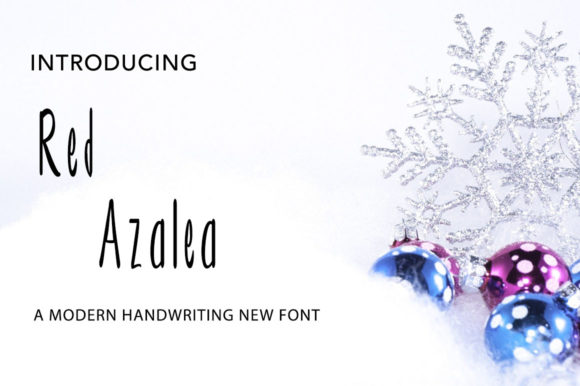
At its core, Red Azalea is a handwritten font designed with a friendly, organic rhythm. Its letterforms carry the gentle inconsistencies of natural penmanship—slightly uneven baselines, soft curves, and a cadence that mimics the flow of actual handwriting. Unlike formal calligraphy scripts that demand structure and precision, Red Azalea leans into casual charm. It feels like a note from a friend, a label on a handmade jar, or the header of a lifestyle blog that prioritizes connection over formality.
The typography market has seen a surge in handwritten and script fonts over the past several years, driven largely by the democratization of design tools and the explosive growth of visual-first platforms. Fonts are no longer just the concern of professional graphic designers. Entrepreneurs running online shops, freelancers building personal brands, and marketers crafting social media campaigns all find themselves making typography decisions regularly. Red Azalea enters this space as a versatile, accessible option that does not require advanced design knowledge to use effectively.
What distinguishes Red Azalea from countless other handwritten fonts is its balance. Some casual scripts tip too far into childish territory, limiting their applications. Others attempt elegance but lose the spontaneous feel that makes handwriting appealing in the first place. Red Azalea occupies a sweet spot—it is cute without being juvenile and casual without being sloppy. This balance makes it suitable for a surprisingly wide range of projects, from Instagram posts and greeting cards to branding materials and digital products.
Why Handwritten Fonts Are More Relevant Than Ever
To understand the attention Red Azalea has received, it helps to step back and look at the cultural and technological shifts shaping design preferences today. Several intersecting trends have pushed handwritten and organic typefaces toward the forefront of creative work.
The Authenticity Imperative in Branding
Consumers have become increasingly skeptical of corporate polish. Years of exposure to hyper-curated advertising, AI-generated imagery, and impersonal digital experiences have created a hunger for genuine human expression. Brands that feel approachable, transparent, and real tend to earn deeper trust and loyalty. Typography plays a subtle but significant role in this perception. A geometric sans-serif can signal efficiency and modernity, but it rarely conveys warmth. A handwritten font like Red Azalea, by contrast, suggests that there is a real person behind the message—someone who took the time to create something by hand, even if only digitally.
Small businesses and independent creators have been particularly quick to embrace this dynamic. A bakery posting its daily menu on Instagram, a potter selling handmade mugs on Etsy, or a life coach sharing motivational quotes can all benefit from typography that reinforces their personal, human-centered approach. Red Azalea fits these contexts naturally, lending an air of craft and care without overwhelming the content it accompanies.
The Rise of the Creator Economy
The creator economy has blurred the lines between personal expression and commercial enterprise. Millions of individuals now monetize their creativity through platforms like Instagram, TikTok, YouTube, and Substack. For these creators, branding is not outsourced to an agency—it is built incrementally, often with limited budgets and do-it-yourself tools. Font choice becomes one of the most accessible levers for establishing a consistent visual identity.
Red Azalea serves this audience well because it is immediately recognizable without being overly stylized. A creator can use it across quote graphics, video thumbnails, story highlights, and merchandise without the font feeling repetitive or out of place. It adapts to different moods and formats while maintaining a cohesive signature. In a landscape where visual consistency can make or break audience recognition, a reliable handwritten font becomes a strategic asset.
Digital Fatigue and the Return to Tactile Aesthetics
As screens dominate more of daily life, design has seen a corresponding interest in aesthetics that evoke physical, tactile experiences. Textures that resemble paper, grain, brush strokes, and ink bleed have become popular precisely because they offer a reprieve from the flawless pixel perfection of digital interfaces. Handwritten fonts participate in this trend by simulating the pen-on-page experience that many people associate with journaling, letter-writing, and slower, more deliberate forms of communication.
Red Azalea taps into this longing for the tactile. Its letterforms suggest a felt-tip pen or a smooth gel roller moving across paper with slight pressure variations. When used in digital contexts—social media posts, website headers, email newsletters—it introduces a touch of analog warmth that can make digital interactions feel less mechanical. This subtle psychological effect is part of what makes fonts like Red Azalea compelling beyond their surface-level aesthetics.
Practical Applications Across Industries and Workflows
The versatility of Red Azalea becomes clear when examining how different professionals incorporate it into their work. Rather than being confined to a single niche, the font adapts to diverse contexts—each benefiting from its approachable, handcrafted character in different ways.
Social Media Content and Influencer Marketing
Instagram, Pinterest, and TikTok are inherently visual platforms where typography can make content stand out in crowded feeds. Influencers and marketers use Red Azalea for quote overlays, announcement posts, carousel slide headers, and story graphics. The font works especially well when paired with lifestyle imagery—flat lays, coffee shots, nature photography, or candid portraits. Its casual elegance complements rather than competes with the visual content.
For marketers running campaigns that aim to feel organic and native to the platform, a handwritten font signals that the content is made by people, not by a faceless brand team. This can improve engagement metrics, as audiences tend to respond more favorably to content that feels personal and unforced. Red Azalea supports this strategy by delivering a handwritten look that remains legible even at smaller sizes, which is critical for mobile-first consumption.
DIY Projects and Print-on-Demand Products
The DIY and crafting community has embraced handwritten fonts with particular enthusiasm. From wedding invitations and party decorations to printed apparel, mugs, and tote bags, the ability to add custom text in a charming script elevates handmade goods into polished, sellable products. Red Azalea's cute and casual nature makes it a go-to choice for projects that need to feel celebratory, affectionate, or lighthearted.
Platforms like Canva, Cricut Design Space, and Adobe Express have made it easier than ever for non-designers to create professional-looking custom items. Fonts that are both attractive and easy to work with become essential resources in these workflows. Red Azalea fits this mold by maintaining readability across various substrates—whether printed on cardstock, heat-transferred onto fabric, or displayed on a digital screen.
Branding for Small Businesses and Freelancers
For entrepreneurs and freelancers building brands from scratch, typography selection is one of the earliest and most impactful design decisions. A logo, website, packaging, and marketing collateral all require consistent typographic choices. Red Azalea often appears as a secondary or accent font rather than a primary body text choice—used for taglines, product names, section headers, or decorative elements. In this role, it adds personality to an otherwise clean, modern brand system.
Consider a freelance photographer who pairs a minimalist sans-serif logo with Red Azalea for their website's navigation labels and blog post titles. The combination signals professionalism while hinting at a warm, personable approach to client work. A small skincare brand might use Red Azalea on product labels to suggest that each item is made in small batches with individual attention. These subtle signals accumulate into a brand perception that feels both credible and relatable.
Educational and Lifestyle Content
Bloggers, course creators, and coaches producing educational content often benefit from a friendly, accessible visual tone. Fonts that feel too corporate can create distance between the creator and the learner, while overly playful fonts can undermine the perceived value of the material. Red Azalea offers a middle path—warm but not frivolous, making it suitable for worksheet headers, presentation slides, workbook covers, and lead magnet designs.
In the lifestyle space—wellness, parenting, food, travel—Red Azalea aligns naturally with the aspirational yet grounded tone that resonates with readers seeking inspiration and practical advice. Its handwritten quality implies a personal touch that matches the intimate, conversational voice common in these niches.
What Changing Workflows Tell Us About Font Selection
The way creative professionals select and use fonts has shifted considerably. Access to subscription-based font libraries, template-driven design platforms, and collaborative cloud tools means that font decisions are made faster, by more people, and in more contexts than ever before. This democratization has implications for how fonts like Red Azalea are discovered and adopted.
Where typography selection once belonged to a specialized discipline within graphic design, it is now a routine part of running a business, managing a social media presence, or launching a creative side project. This shift has increased demand for fonts that are forgiving, adaptable, and easy to evaluate quickly. A marketer scrolling through a font library does not have time to test dozens of options in depth. They need fonts that communicate their personality at a glance and perform well across multiple platforms and formats.
Red Azalea meets this need by being instantly legible in terms of its aesthetic intent. A quick preview tells the user exactly what kind of mood it will create—friendly, creative, and approachable. There is little ambiguity, which reduces decision fatigue and speeds up the design process. In a world where speed and quality must coexist, this clarity is a practical advantage.
Connecting Typography to Larger Creative and Business Developments
The growing interest in fonts like Red Azalea is not an isolated trend. It reflects deeper changes in how businesses and creators think about visual communication. Several broader developments provide useful context.
The Shift Toward Emotional Design
User experience research has increasingly emphasized the importance of emotional response in design. Products, websites, and marketing materials that evoke positive emotions—trust, delight, nostalgia, comfort—tend to perform better on metrics ranging from conversion rates to customer retention. Typography is a significant contributor to emotional design, often operating below conscious awareness. A handwritten font can trigger associations with personal connection, creativity, and warmth before the reader has processed a single word of the text.
Brands that invest in emotional design are more likely to consider fonts like Red Azalea as intentional components of their strategy, not afterthoughts. The font becomes part of a larger effort to humanize digital experiences and build affective bonds with audiences.
Platform-Specific Optimization
Creators and marketers are increasingly tailoring content to specific platforms rather than taking a one-size-fits-all approach. A font that works beautifully on a Pinterest pin might need to be re-evaluated for a TikTok overlay or an email header. Red Azalea's clarity at various sizes and its compatibility with different visual styles make it a flexible candidate across these varied requirements. This cross-platform adaptability reduces the need to switch fonts between projects, streamlining brand consistency.
The Value of Distinctiveness in a Saturated Media Environment
Standing out has never been harder. The volume of content published daily across social media, blogs, newsletters, and video platforms is staggering. Design choices that offer even a marginal increase in distinctiveness can have outsized impacts. While Red Azalea is by no means the only handwritten font available, its specific personality—cute, casual, and genuinely warm—differentiates it from alternatives that lean more formal, messy, or stylized. For creators seeking a specific tone, that differentiation matters.
Choosing the Right Context for Red Azalea
Like any design element, Red Azalea benefits from thoughtful application. Understanding where it shines helps professionals use it to maximum effect.
The font excels in contexts that benefit from:
- Personal branding that values relatability and approachability
- Short-form content such as headlines, quotes, and callouts
- Creative projects including invitations, cards, and custom merchandise
- Social media graphics where warmth and personality drive engagement
- Lifestyle and wellness content that aims to connect rather than sell aggressively
It is less suited to formal corporate communications, dense body text, or contexts where a serious, authoritative tone is non-negotiable. But this limitation is not a weakness—it simply reflects the font's clear identity, which in turn makes it easier for professionals to match it to the right projects. In an age of endless options, clarity of purpose is a genuine strength.
Looking Ahead: The Enduring Appeal of Handwritten Expression
As artificial intelligence continues to reshape content creation, the value of explicitly human-coded design elements will likely increase. Paradoxically, in a world where text can be generated instantly and images synthesized from prompts, a handwritten font carries new weight. It signals that a human being was involved in the creative process—that the work passed through a person's hands and sensibilities, even if only digitally.
Red Azalea, as a cute and casual handwritten font, participates in this evolving dynamic. It is not a technological novelty; it is a design tool rooted in an ancient human practice—the act of writing by hand. That heritage gives it a staying power that purely trend-driven fonts may lack. Whether used for Instagram graphics, DIY projects, or business branding, Red Azalea turns creative ideas into art not by imposing a heavy stylistic signature, but by adding the light, human touch that so much modern design craves.
For the professionals, creators, entrepreneurs, marketers, freelancers, and enthusiasts navigating today's visual culture, the lesson is clear: typography is never just about letters. It is about the feelings those letters evoke, the stories they help tell, and the connections they make possible. Fonts like Red Azalea succeed because they understand this, and because they give the people who use them a way to express not just words, but warmth.